By Makoto Inoue, Rotary Club of Shimotsuma, Ibaraki, Japan
I run a small bakery in Shimotsuma City, a rural town in Ibaraki Prefecture with a population of 40,000. I joined my Rotary club mostly because I couldn’t say no to local acquaintances. But I was not very active. I attended a handful of meetings a year and paid dues, but was disconnected from the true spirit of the organization
The moment that changed everything happened during the 2021-22 Rotary year. The governors of all 34 districts in Japan joined together to launch a project to clean beaches, rivers, and lakes, calling on all Rotary clubs worldwide to take part in respective communities. Our club cleaned the lakeside around Sanuma.
The concepts of “connecting the world” and “serving together” stirred an excitement in me I had never felt. I was surprised that many young people who were not Rotarians came out to work beside us. Knowing that other Rotary members were doing the same in other parts of the world gave me a sense of unity that changed my understanding of Rotary. It turned my passive membership into a personal mission.
Soon after, I was selected to serve as club president. We were facing considerable challenges: an aging membership, a lack of new members, and a general stagnation. I determined to employ some of the spirit I had seen during the cleanup project. My strategy: I would reach out to the young people who had worked beside us that day. By taking that first step of including non-members in our activities, we opened up to the community in a different way.
And so, we launched the satellite club of Shimotsuma Sanuma Lakeside, named after the cleanup effort. The result was astonishing. In just one year, the combined membership of our sponsor club and satellite club doubled — from 32 to 62. Two things have made this a success: the passion and action of the new members and the fact that our existing members welcomed this diversity with open arms.
The young people began creating a new kind of Rotary appeal with a speed and creativity I had never imagined. Thanks to their bold initiatives, we earned numerous district awards. One example of the energy they brought was our “Dream Candle Night” project where we sent encouragement and prayers for peace from 7,000 Japanese children to children in Ukraine as well as three years of financial support. The effect was so profound that the Ukrainian ambassador to Japan personally traveled to Ibaraki to express his gratitude.
After completing my term as president, I wanted to continue strengthening membership in our district by promoting satellite clubs. I took on a role in district leadership. Together, we launched six new satellite clubs in the 2024–25 year, bringing the district total to 10. We even established a “Satellite Club Liaison Council” to help young leaders inspire one another.
The End Polio Now Dance & Eat project, supported by several of our satellite clubs, is another example of the new thinking and energy they have brought to Rotary service. Through dance, they are promoting polio eradication, building awareness across our region and drawing in young participants and partner organizations.
My enthusiasm for Rotary has come a long way! Had I not experienced that moment during the coastal cleanup, I would have not become the Rotary member I am today. And I believe that while recruiting established community leaders remains important, focusing on satellite clubs offers a powerful additional strategy for attracting young members.
Satellite clubs attract young people by tackling social issues they genuinely care about. Through their involvement, they learn, grow, and eventually become community leaders who create lasting impact. Instead of finding leaders, our clubs are helping grow the leaders of tomorrow — which is also a powerful strategy for growing Rotary.



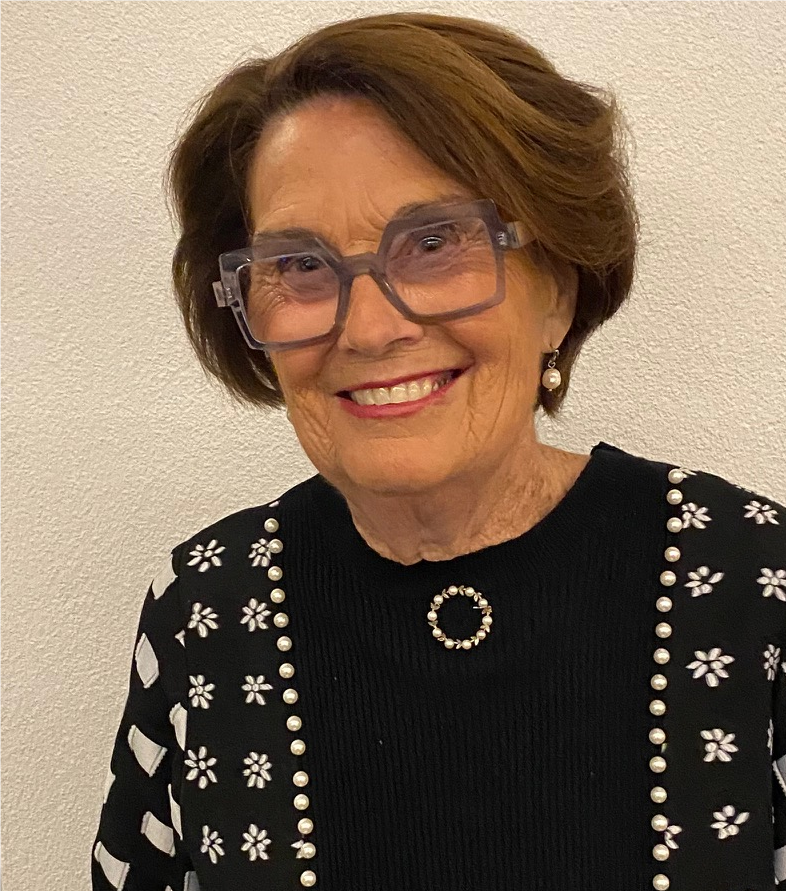
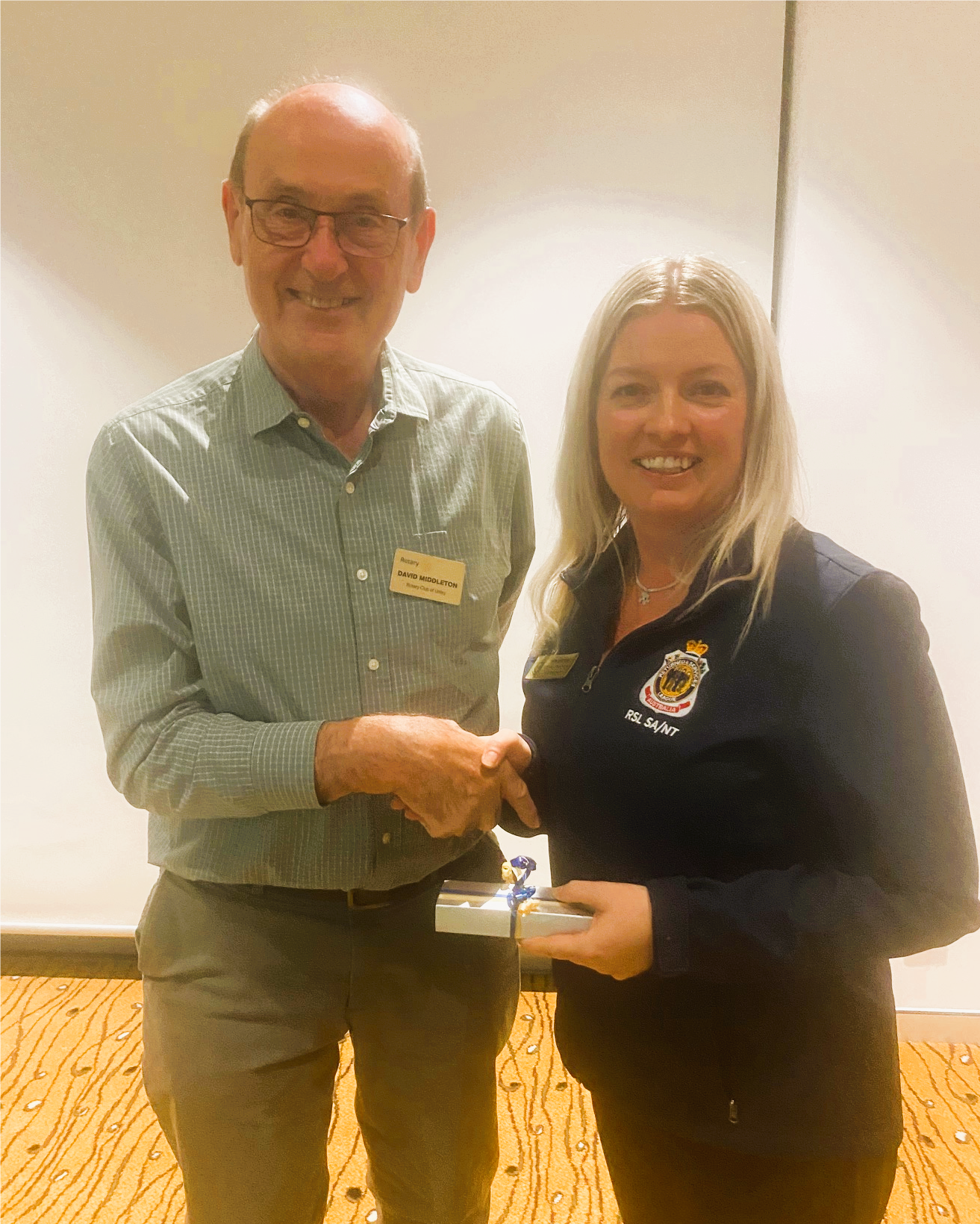 The Returned Services League is 110 years old. SA was a founding member in 1916 and it quickly became Australia wide, with national, State and sub-branch administration. The 122 sub-branches in SA have 150,000 members, 48,000 of them veterans, comprising 86% males. In 2023, when finance officer and at the behest of the Department of Veteran Affairs (grant of $300,000), Reach Out was instigated with the first component a well-being program. The aim was to contact and have a chat with as many veterans as possible to determine how well they were coping. 2025 saw the program expand to deliver practical assistance to those who were struggling. In her video presentation Tara provided examples of recent responses to cries for help: